#202 Marks & Spencer’s China Blues

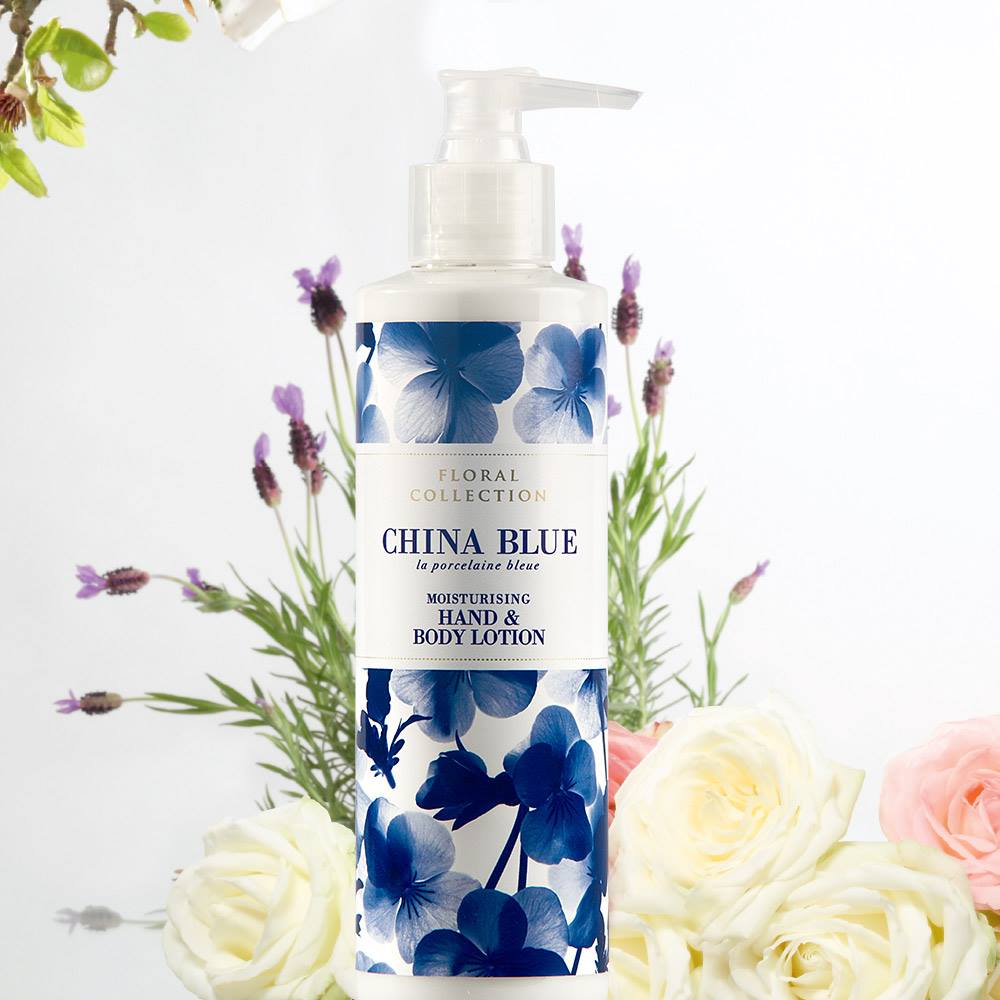
British multinational retailer Marks & Spencer (M&S) has a range of cosmetics and body care products called China Blue. One can’t help but see the irony in the branding when thinking of M&S’s China blues, which it must have felt in China over the last decade. M&S, known to the Chinese as Ma Sha Bai Huo (literally: Horse Grass Department Store in Chinese language), entered China in 2008 with high hopes that its British heritage, apparel lines, and food products would appeal to China’s expanding middle class. But the reality was that M&S was ever only present in China in the clothing section, with a limited number of of other offerings. But its womenswear clearly lagged behind many established fast fashion brands including Uniqlo, Vero Moda, Zara, or H&M. M&S had very low brand awareness for such a hyper-competitive environment and, instead of seeing its hopes fulfilled, the retailer suffered mis-positioning from the start. Its first Shanghai flagship store that opened in 2010 was oversized, located in an expensive area, and required heavy foot traffic that never materialized. Within five years, M&S had opened 15 stores in China, but as early as 2015 already had to announce the closure of five of them because of disappointing results. M&S’s product mix, especially clothing, did not fit Chinese consumer preferences in sizing, style, or fashion cycles. Food items, which might have differentiated the brand, were priced too high and suffered from import delays and limited availability. Internal challenges compounded the problem: M&S relied heavily on centralized buying from London, slowing down adaptation and preventing rapid response to market feedback. There were also operational issues: In its early days, M&S manufactured all of its clothes for the UK inside a China tax-free zone. When the brand opened its brick-and-mortar doors in China, it shipped the China-manufactured clothes back to the UK, and from the UK imported them back to China, essentially paying VAT twice. As losses accumulated, the company scaled back and eventually announced in 2016 that it would close all mainland stores, later selling its Hong Kong and Macau subsidiaries. By 2018, M&S had closed all its Mainland China retail stores and its online presence on the Chinese platform Tmall. The case highlights the dangers of ambiguous brand positioning, insufficient localization, and slow decision-making in a fast-moving consumer market.